The historical Vedic religion is now generally accepted to be a predecessor of modern Hinduism, but they are not the same because the textual evidence suggests significant differences between the two.
Vedic religion, the religion of the ancient Indo-European-speaking peoples who entered India about 1500 bce from the region of present-day Iran. It takes its name from the collections of sacred texts known as the Vedas.
Calculate your Vedic Astrology Chart, for free!Note: if the place you were born is too small for our atlas, you may need to go back and re-submit a nearby larger city.
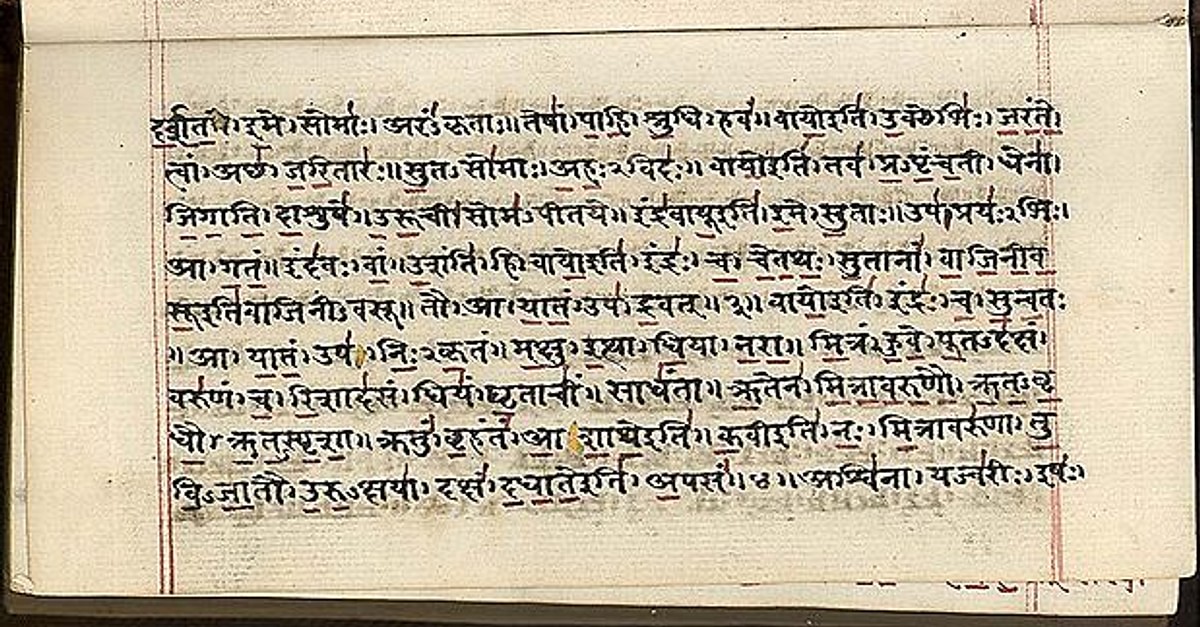
The Vedas are the oldest sacred texts of Hinduism, made up of a large collection of ancient Sanskrit compositions known as śruti — meaning “what is heard” — and considered to be divinely revealed rather than written by humans. They preserve hymns, ritual formulas, mythic narratives, and early philosophical reflections from the Vedic period of ancient India. The classical enumeration ...
This portal will be a one-stop solution for the user, who would like to search any information regarding the Vedic heritage, be it the abstract oral traditions, or the textual tradition in the form of publications, manuscripts, implements / Yajna related objects etc.
The Vedic Period (circa 1500 - circa 500 BCE) is the era in which the Vedas were committed to writing, but this has nothing to do with the age of the concepts or the oral traditions themselves.
The Vedic Period (or Vedic Age) (c. 1500 – c. 500 B.C.E.) is the period in the history of India during which the Vedas, the oldest sacred texts of Hinduism, were being composed.